
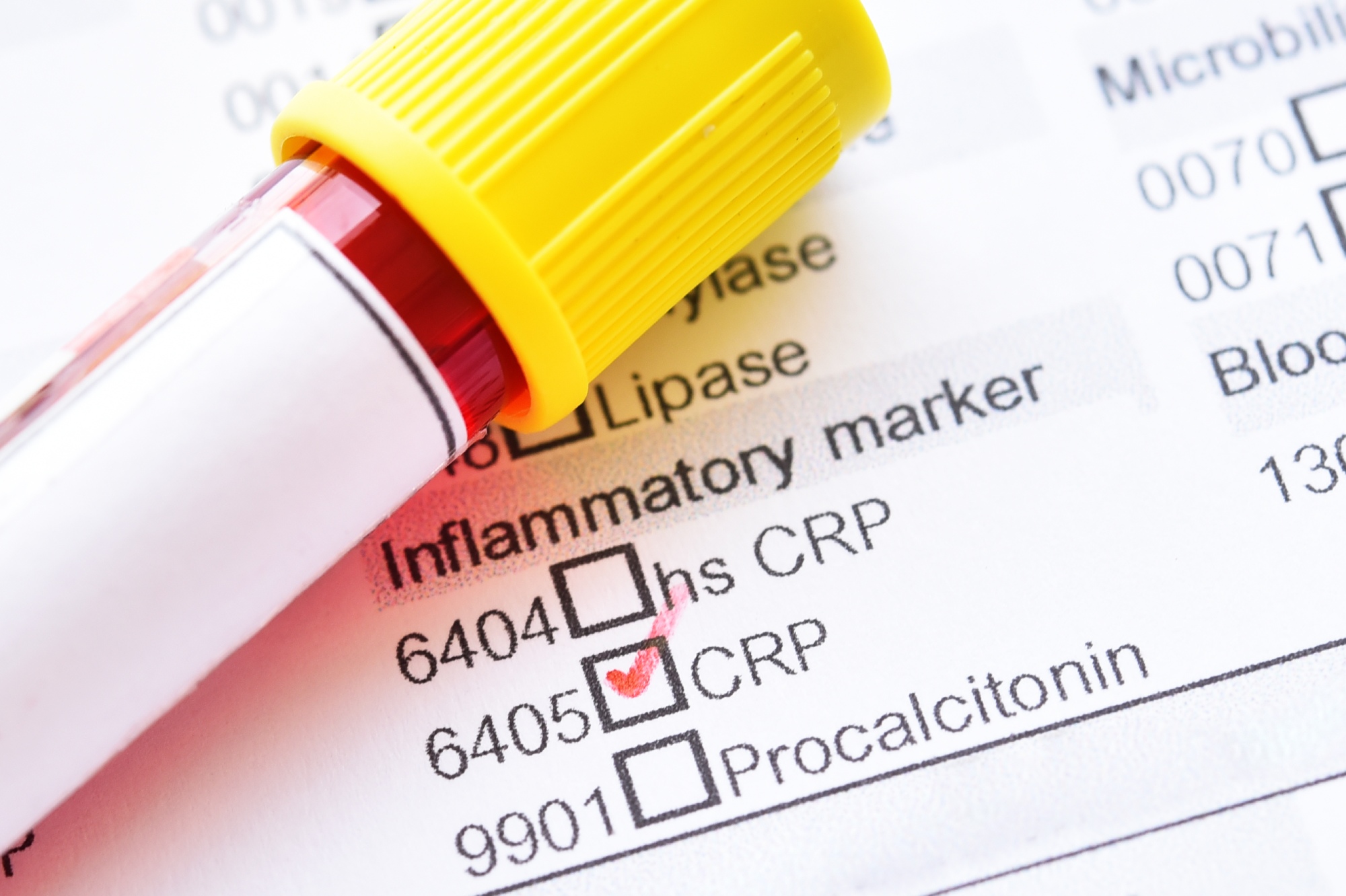
Nobody wants to think about a heart attack, but understanding your true risk is key to improving your life expectancy. Heart disease is still the leading cause of death worldwide, so finding the most accurate heart disease predictor matters now more than ever. For decades, people have relied on cholesterol levels to assess risk—yet that approach can miss critical warning signs. Increasingly, experts recognize that C-reactive protein (CRP), a powerful marker of inflammation, can predict heart disease and impact your life expectancy even more precisely than cholesterol alone.
But when it comes to cholesterol vs CRP, cholesterol is only half the story.
Many people who suffer heart attacks have completely normal cholesterol levels—a fact that highlights the limitations of traditional cholesterol tests and raises important questions about how we predict heart disease risk. Recent research into inflammation and heart disease has prompted experts to focus on another crucial risk marker: C-reactive protein (CRP). By measuring inflammation through CRP levels, doctors can gain valuable insight into your cardiovascular risk and life expectancy beyond what cholesterol alone can reveal.
What Is C-Reactive Protein (CRP) and How Does Inflammation Affect Your Heart Health?
Think of C-reactive protein (CRP) as your body’s internal smoke alarm, essential for assessing cardiovascular risk through a CRP blood test. When there is inflammation in the body—caused by injury, infection, or chronic health issues—your liver produces CRP and releases it into your bloodstream. Elevated inflammation levels, signaled by higher CRP levels, can be an early warning sign of heart disease risk and affect your life expectancy.
Inflammation is your body’s natural response to injury or infection. If you get a paper cut, the area turns red and swells—that’s short-term inflammation at work, helping your body heal. However, chronic inflammation is a different issue. When your body remains in a state of ongoing, low-grade inflammation, it can quietly harm your blood vessels and other tissues over time. Elevated CRP levels are a clear sign that chronic inflammation may be present in your body, signaling this silent damage is happening right now and increasing your long-term heart disease risk.
CRP Levels and Heart Disease Risk: Understanding the Connection
So, how does this tie into your heart? When your blood vessels are inflamed, it becomes much easier for plaque to form, which significantly increases your cardiovascular risk. Over time, this buildup can cause plaque to rupture, leading to blood clots that may block blood flow to your heart or brain and increase your chances of a heart attack or stroke.
A simple blood test, called a high-sensitivity CRP test (hs-CRP test), can accurately measure your risk for heart disease by detecting even low levels of C-reactive protein. If your CRP level is under 1.0 mg/L, you’re considered at low risk for heart disease—an optimal range for maximizing your life expectancy. Results between 1.0 and 3.0 mg/L signal an average cardiovascular risk, while readings above 3.0 mg/L indicate a high risk of heart attack or stroke. Elevated hs-CRP levels are a warning sign that inflammation may be shortening your life expectancy, making regular CRP blood testing an essential part of heart disease prevention.
Why CRP Is a Superior Predictor of Heart Disease Risk Compared to Cholesterol
Traditional cholesterol tests have major limitations when it comes to assessing true heart disease risk. While a cholesterol test measures the total cholesterol in your blood, it offers limited insight into the actual condition of your artery health or the risk of hidden inflammation. This cholesterol test limitation means artery walls may appear healthy even when underlying inflammation puts you at greater risk for plaque buildup and cardiovascular problems.
You can have perfectly normal LDL (bad) cholesterol, but if you have high chronic inflammation, those normal cholesterol particles can still get trapped in your inflamed arteries, raising your heart disease risk and increasing the chance of a blockage. That’s why inflammation detection through a CRP blood test is so critical—it reveals the hidden risk factors standard cholesterol panels might miss. By identifying inflammation early, a CRP test provides a more accurate assessment of your real heart disease risk and helps inform smarter steps for prevention.
Cholesterol Markers Still Matter—How ApoB and Lipoprotein(a) Are Changing the Game
Does this mean we should ignore cholesterol entirely? Absolutely not. The importance of cholesterol for heart health remains significant, even as our knowledge evolves. Cholesterol is a major player in the assessment of heart disease risk, and understanding your cholesterol profile is still essential for maintaining optimal cardiovascular health.
Instead of just looking at standard LDL, modern cardiology is now turning to more advanced cholesterol markers to offer a clearer cardiovascular health roadmap. ApoB measurement (apolipoprotein B) provides an accurate count of plaque-building particles in your blood, helping to pinpoint heart disease risk more precisely than traditional cholesterol tests alone. Another important marker, Lipoprotein(a), is a genetically inherited cholesterol variant that greatly increases cardiovascular risk. When you combine ApoB measurement, Lipoprotein(a) assessment, and CRP blood testing, you get a powerful and highly accurate roadmap to your cardiovascular health—giving you the best tools for heart disease prevention and long-term life expectancy.
How to Lower CRP for Heart Health Improvement
If a blood test shows your CRP is high, there’s no need to panic. The encouraging news is that CRP reduction is highly achievable through targeted lifestyle changes. By focusing on healthy habits, you can significantly lower inflammation markers like C-reactive protein and support better heart health. Specific lifestyle changes such as diet improvements, regular exercise, stress management, and maintaining a healthy weight are proven to lower CRP levels and decrease your risk for heart disease.
- Eat a high-fiber diet for lower CRP: Consuming foods high in dietary fiber—such as oats, beans, whole grains, fruits, and vegetables—not only supports heart health but also helps reduce C-reactive protein (CRP) and inflammation. Following a Mediterranean-style, high-fiber diet is shown to improve life expectancy and lower your cardiovascular disease risk.
- Incorporate regular aerobic exercise: Engaging in aerobic exercise, like brisk walking, cycling, or swimming, is proven to lower CRP levels and reduce inflammation. Just 30 minutes a day of consistent activity can boost your cardiovascular health, support weight loss, and help prevent heart disease.
- Prioritize stress management and quality sleep: Chronic stress can raise inflammation markers such as CRP. Managing stress and getting quality sleep are essential for inflammation reduction. Practice stress management techniques—like meditation, yoga, or deep breathing—to keep your body’s inflammatory response in check and maintain a healthy heart.
- Maintain a healthy weight for optimal CRP reduction: Carrying excess weight, especially around your abdomen, increases inflammation and CRP levels. Adopting healthy weight management habits—including a balanced diet and regular exercise—can help you achieve a healthy weight, further lowering your risk for heart disease and improving your life expectancy.
Longevity Assessment: Why CRP Tracking Is Key to a Smarter, Longer Life
Estimating how long you will live isn’t about reading tea leaves—it’s about effective longevity data analysis. To truly understand your life expectancy, you must look beyond basic health metrics and focus on the impact of inflammation on your long-term health. Chronic inflammation, measured impairby C-reactive protein (CRP), can accelerate aging and affect vital functions such as joint strength, cognitive health, and cardiovascular well-being. By tracking your CRP and performing regular longevity data analysis, you take a proactive step toward managing the inflammation impact on your body—protecting your future and empowering yourself to make smarter decisions for a healthier, longer life.
The Bottom Line: Inflammation, CRP, and Longevity
Heart disease might be a leading cause of death, but it doesn’t have to be your destiny. By understanding the CRP role in heart health, you can identify the early warning signs of inflammation that standard cholesterol tests may miss. Recognizing the power of C-reactive protein offers an essential longevity recipe: combine CRP blood testing insights with a high-fiber diet and regular exercise to reduce inflammation, lower your risk of heart disease, and increase your life expectancy.
Curious about how your lifestyle factors may influence your life expectancy and heart health? Discover how making simple changes can help lower your CRP levels and reduce your risk of heart disease. Take charge of your longevity by monitoring key health markers like C-reactive protein (CRP) and see the real impact your daily habits have on your overall well-being.